Overview
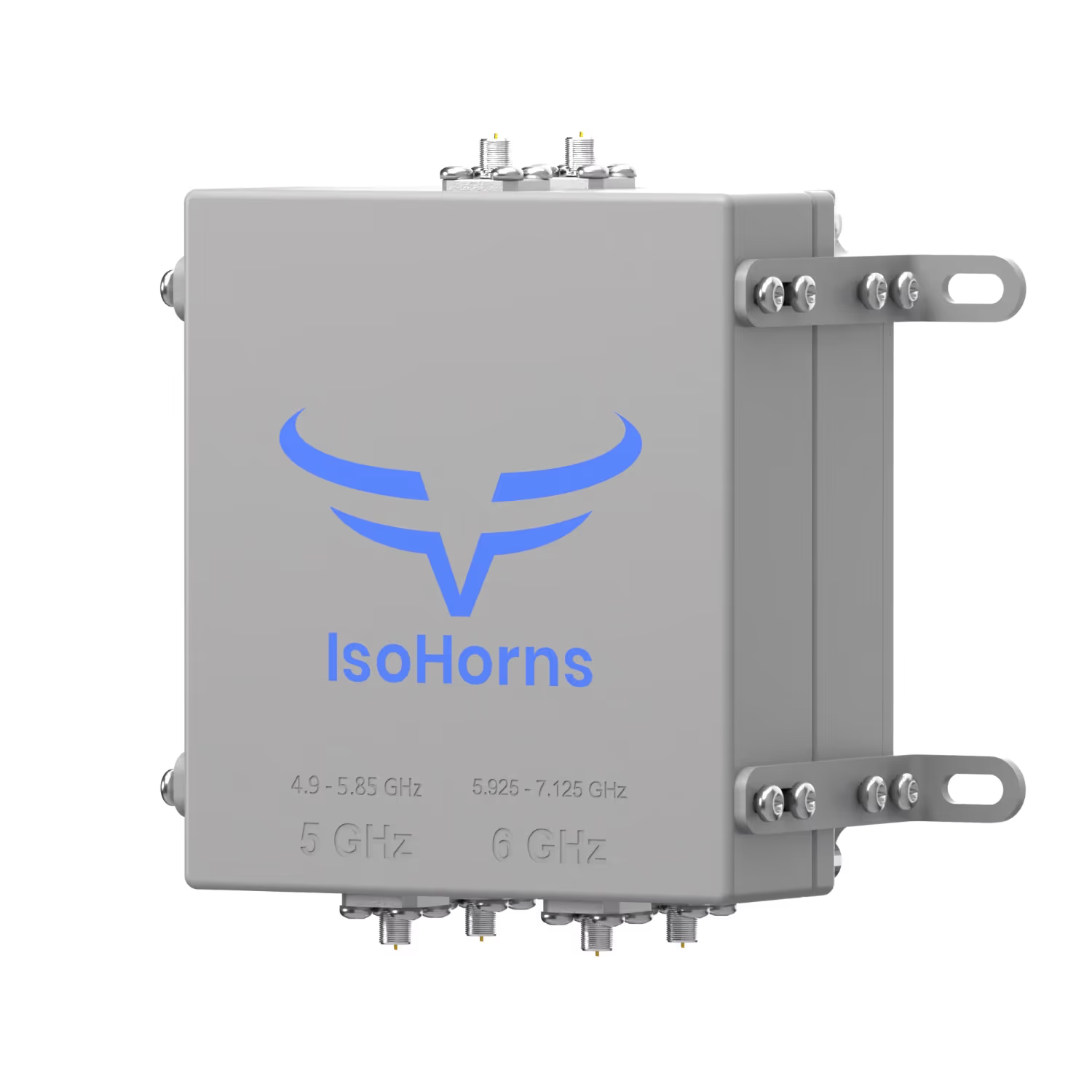
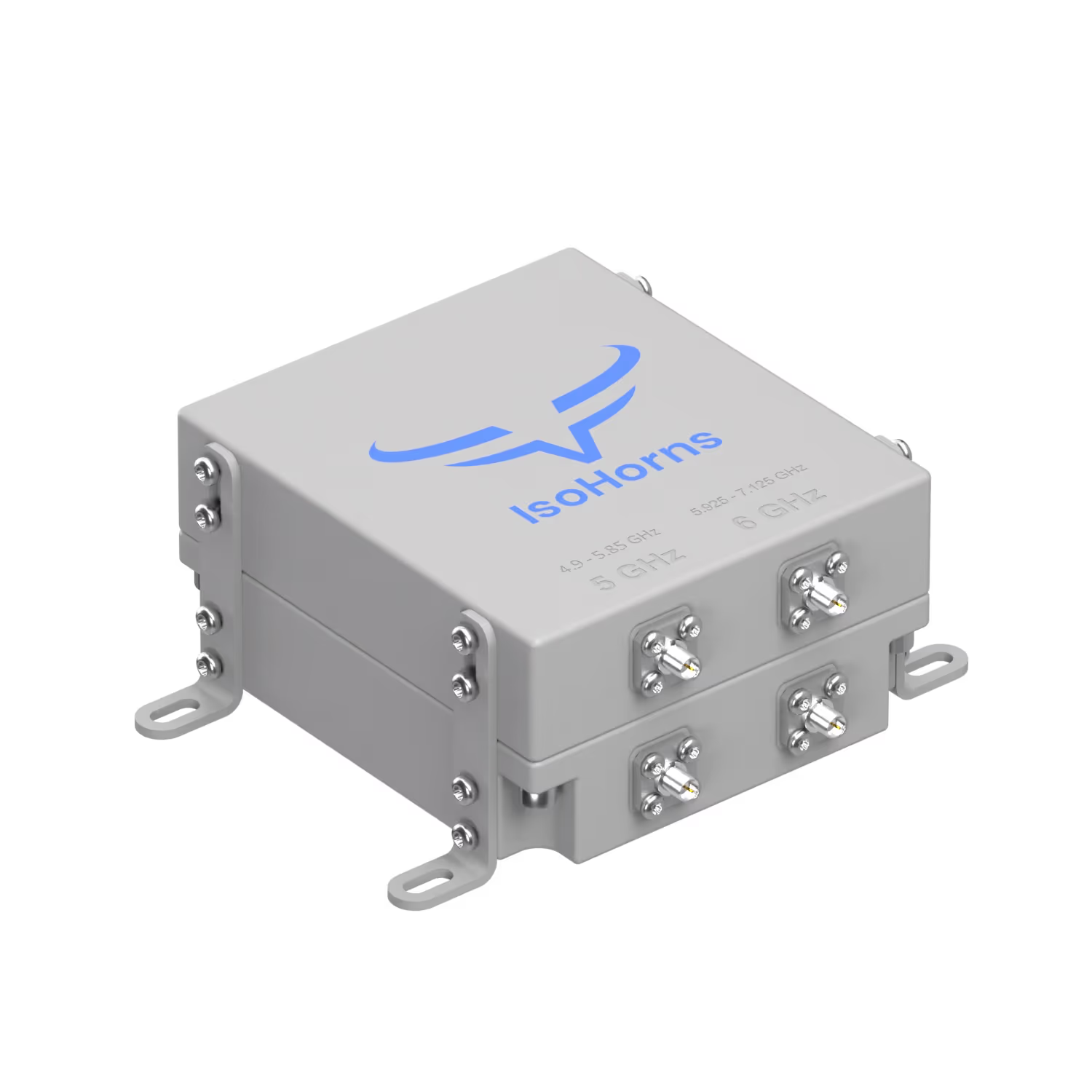
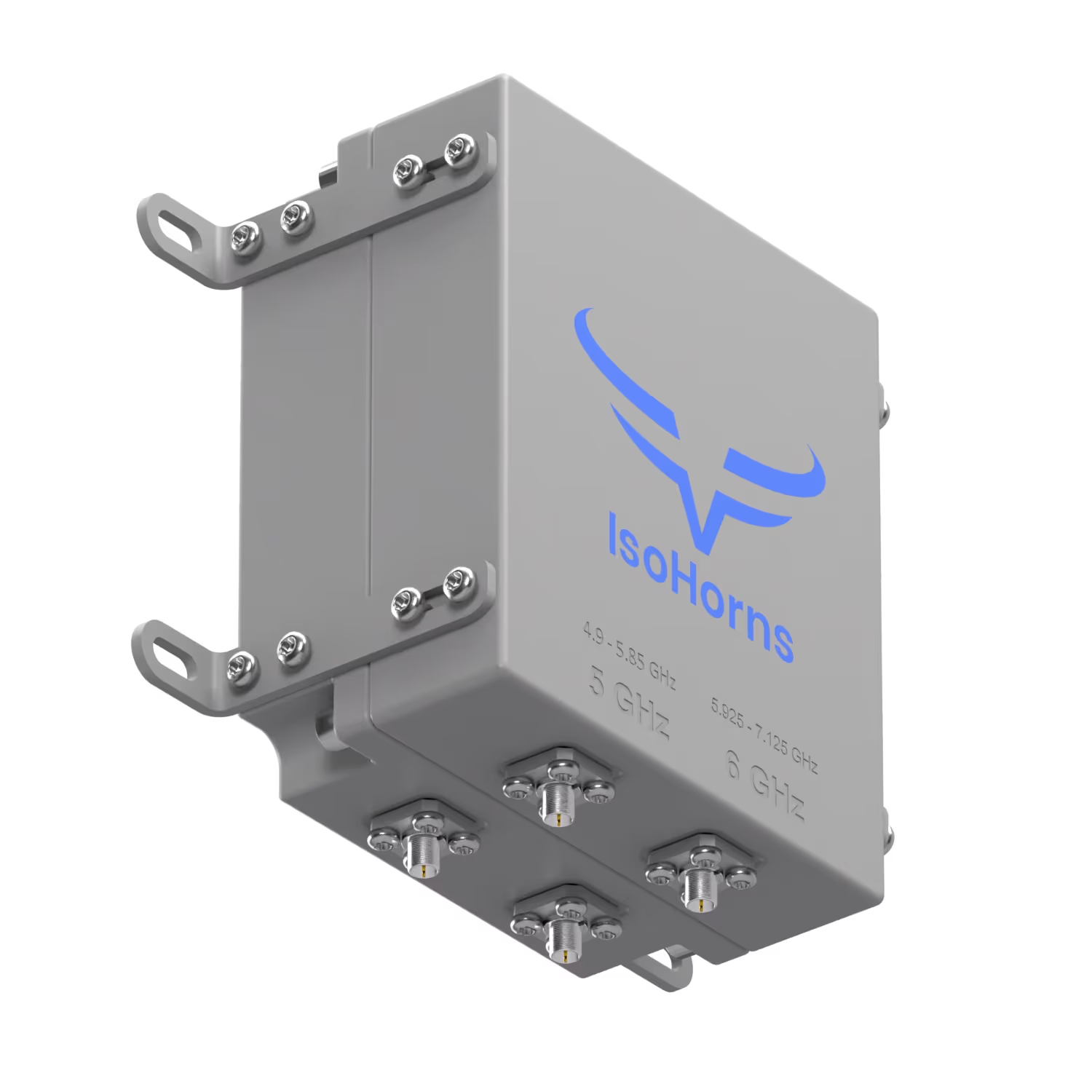
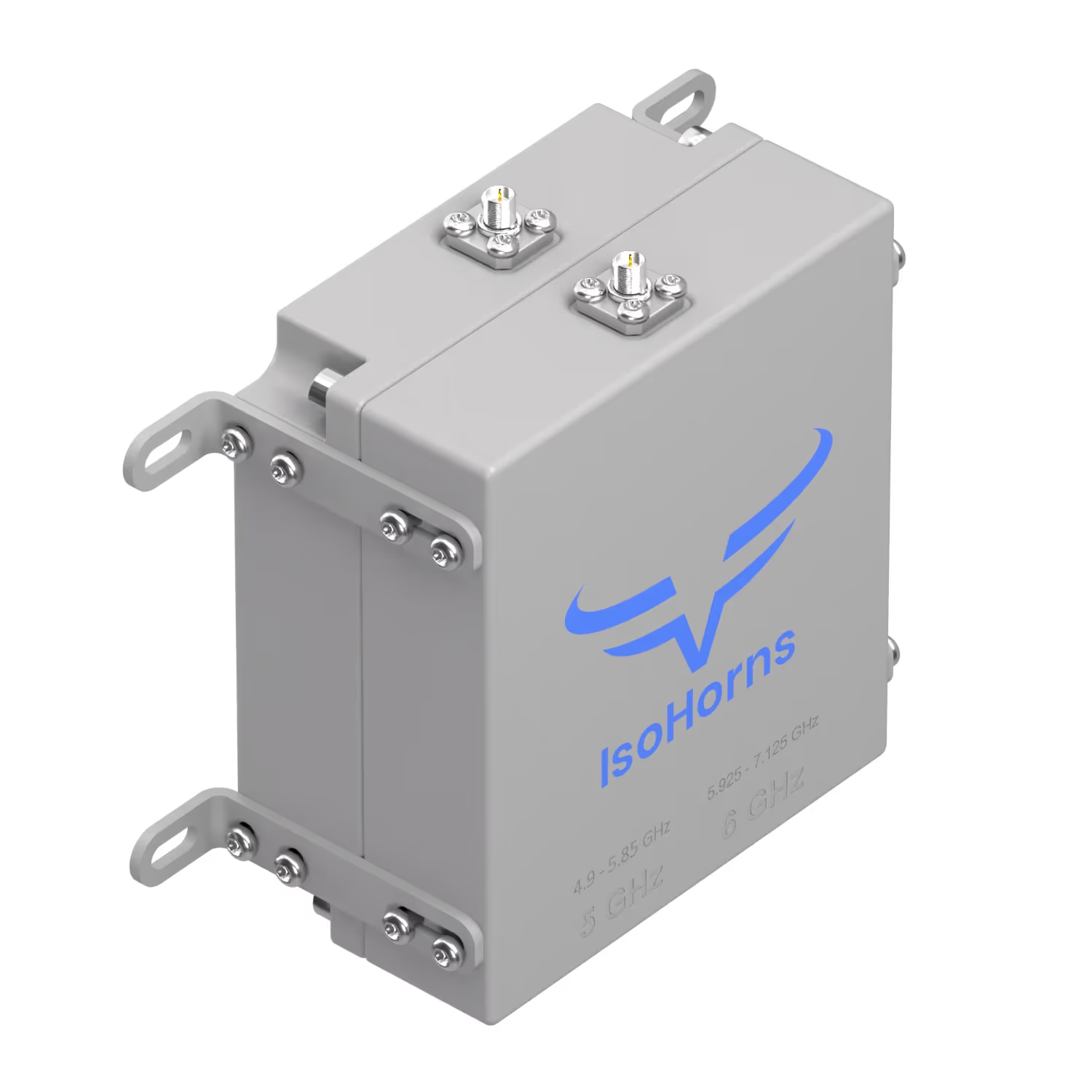
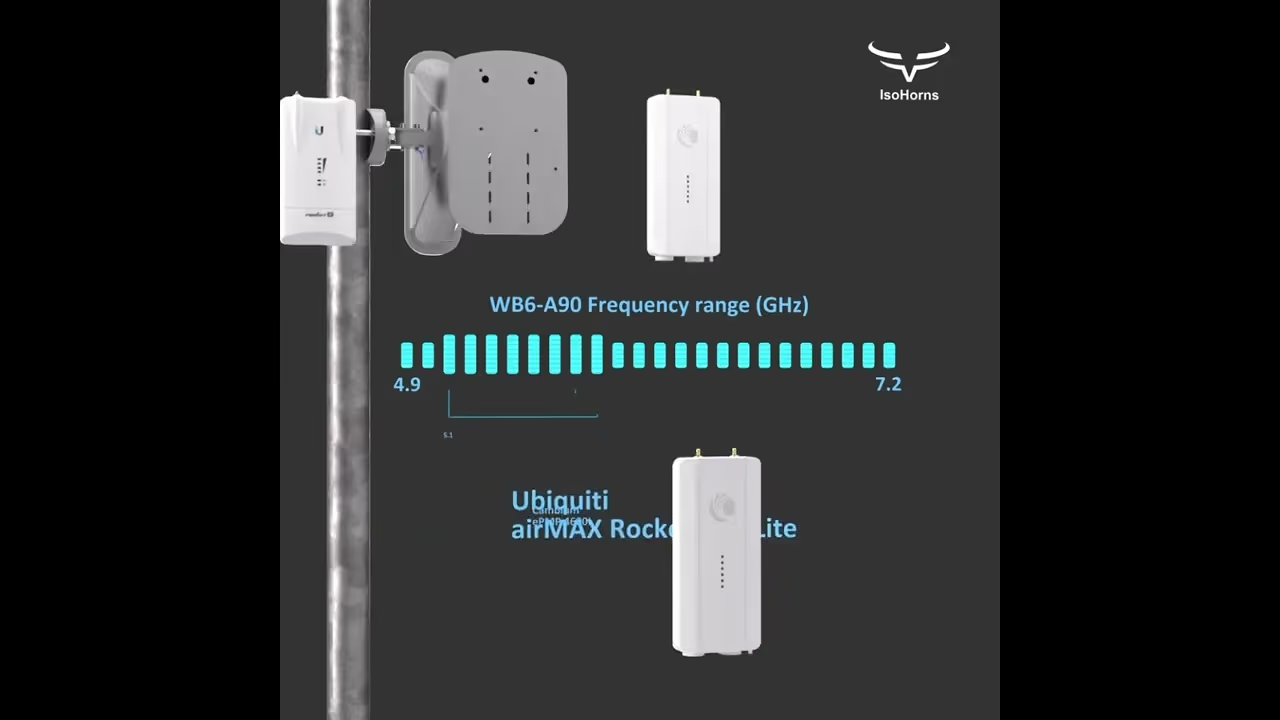
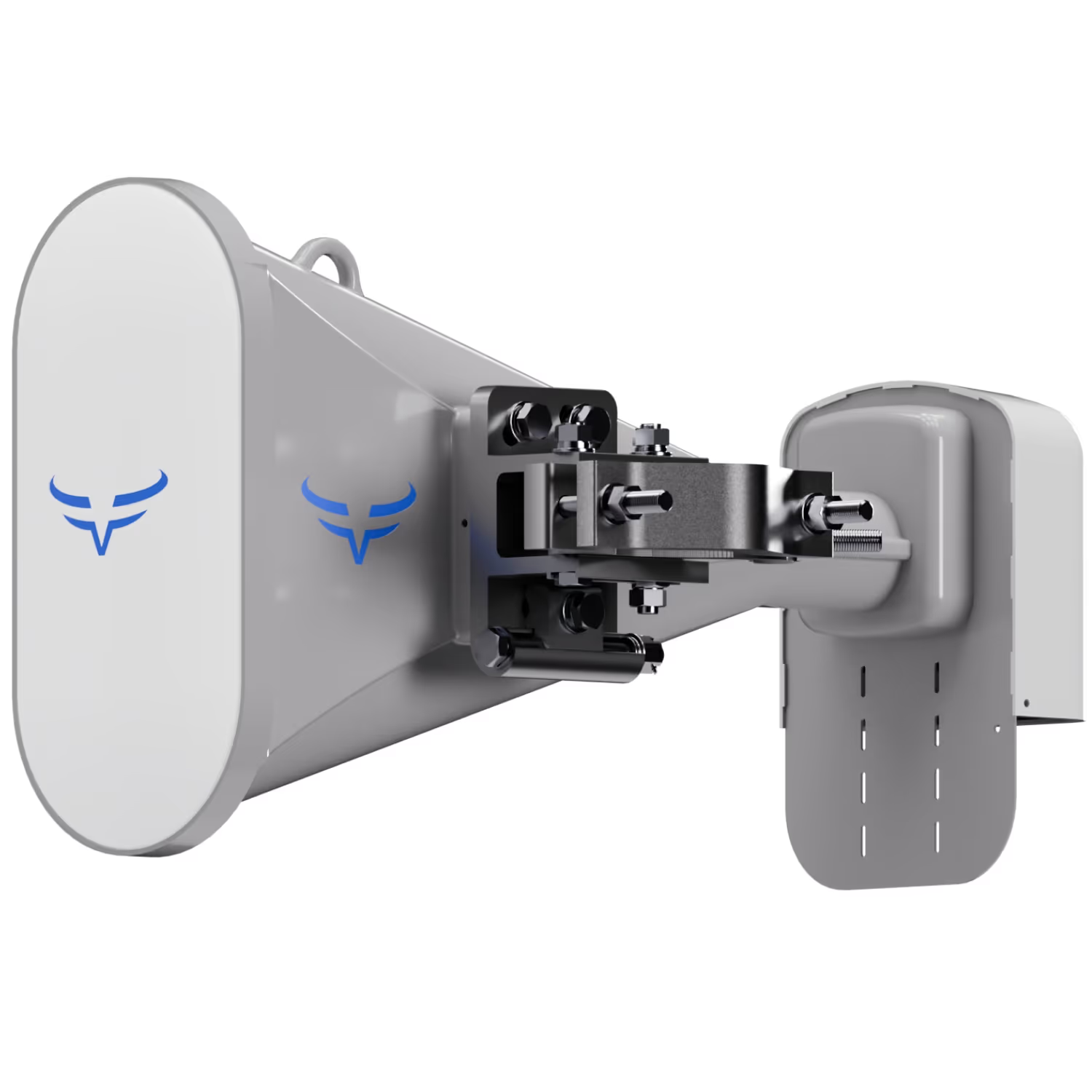
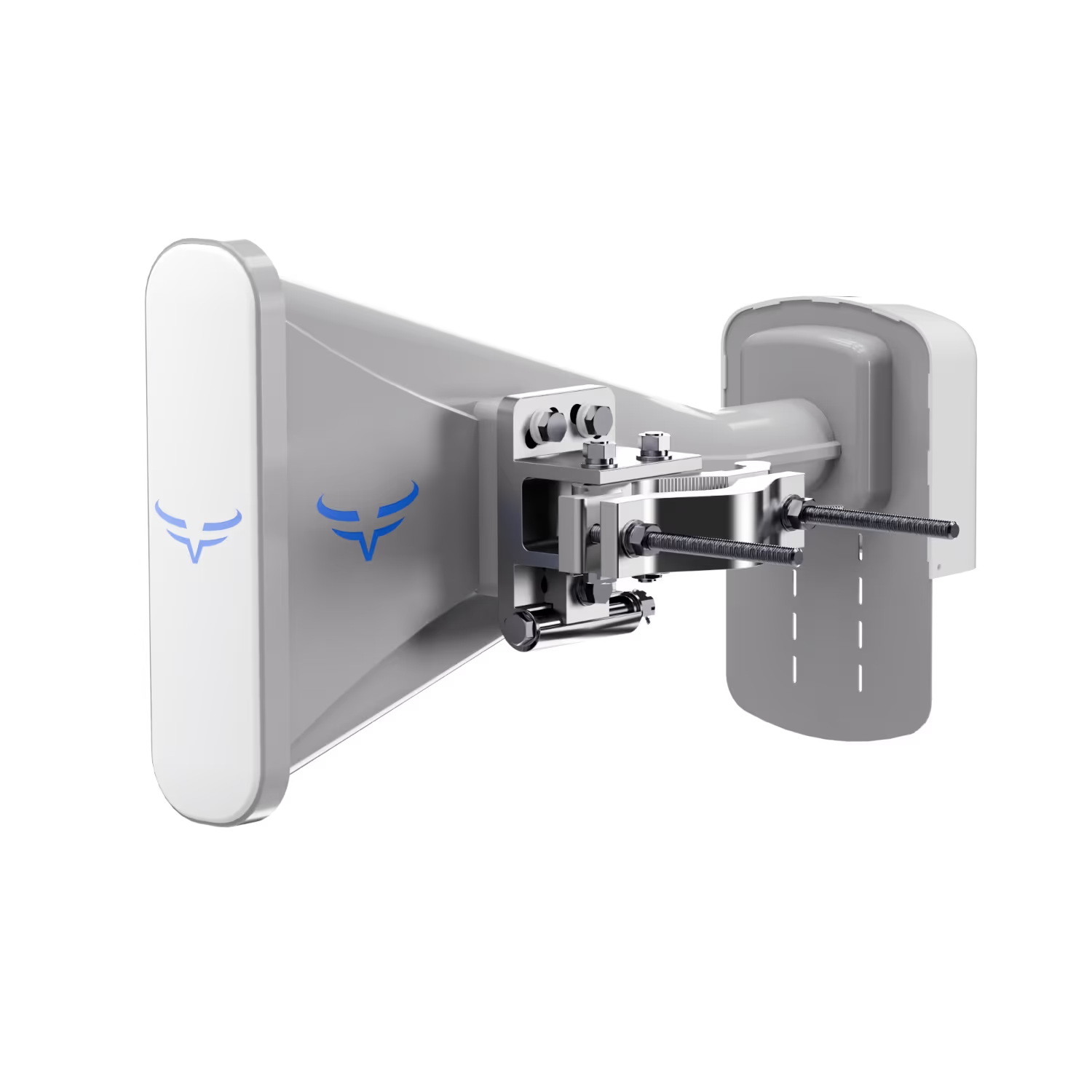
The 5–6 GHz Diplexer 4x4 allows operators to run both 5 GHz and 6 GHz radios on a single wideband antenna, eliminating the need for multiple antennas and reducing tower space, wind load, and maintenance costs. With less than 0.6 dB insertion loss and over 30 dB isolation, it maintains strong RF performance.
Increase capacityDiplexers increase the capacity of antennas by enabling 5 GHz and 6 GHz links on the same large high-gain antennas, which means faster connections without needing extra antennas.
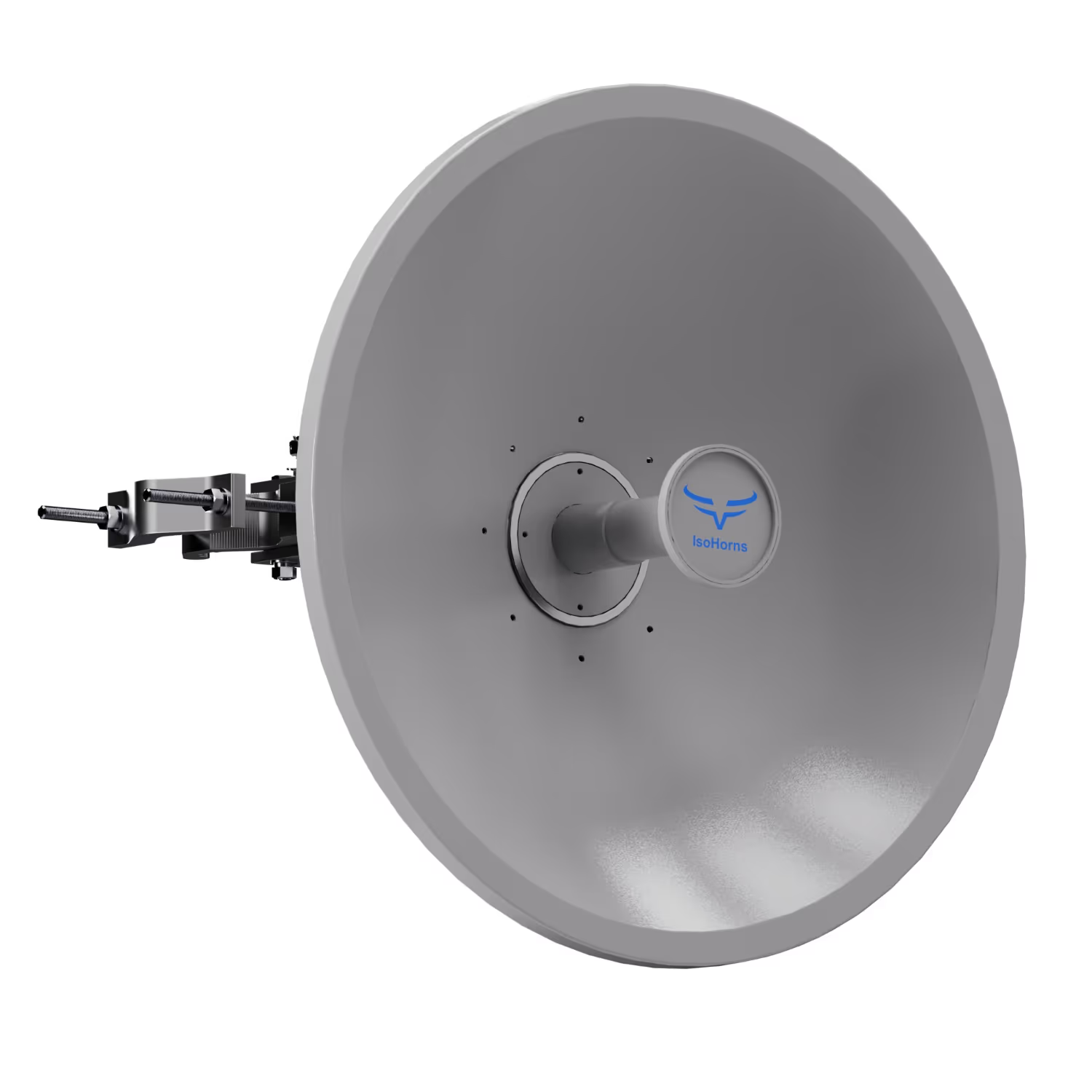
PTP backhaul
Diplexers increase the capacity of backhaul antennas by enabling 5 GHz and 6 GHz PTP links on the same large high-gain antennas, which means faster backhaul connections without needing extra backhaul antennas.
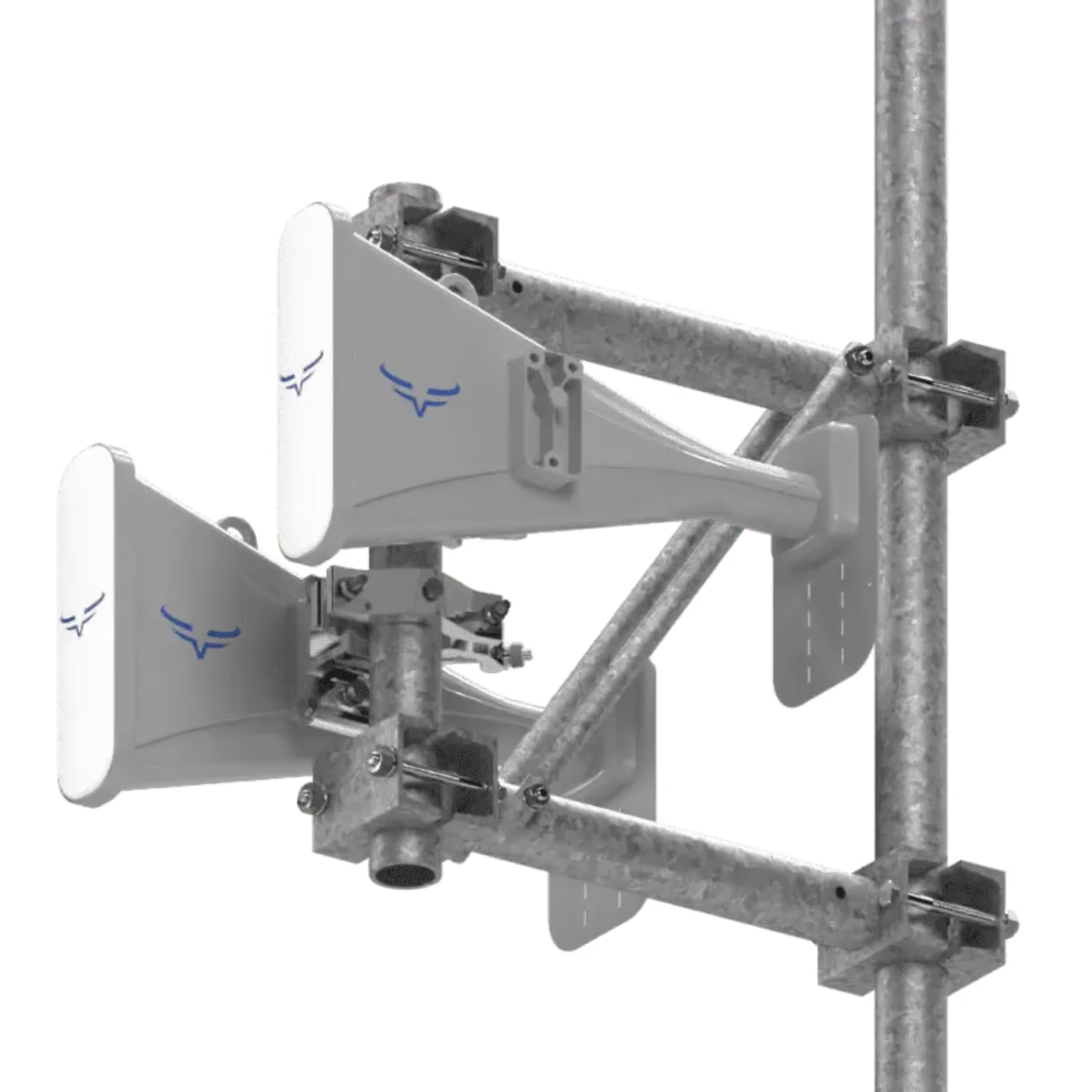
PtMP sectors and horns
The upgrade process is also more flexible for installers, who can schedule visits to gradually swap out the CPE for customers. Plus, WISPs have the option to upgrade customers as they agree to pay for these improvements, allowing for a cost-effective and customer-centric upgrade path.
Reduced tower space, wind load, and rentThe compact setup afforded by diplexers reduces the physical space needed on towers. This is particularly beneficial as tower space is often limited and can be expensive. By occupying less space, WISPs can either reduce their rent or make room for additional equipment, if necessary.
PTP backhaulDiplexers boost the capacity of backhaul antennas by supporting 5 GHz and 6 GHz PTP links on the same large high-gain antennas, delivering faster backhaul connections without requiring additional antennas.
More backhaul capacity
Utilizing diplexers increases the capacity of backhaul connections. This improvement is crucial for the backbone of any wireless network, as it directly influences the overall quality and speed of the internet service provided. A stronger backhaul translates into better service for end-users without the need for additional, costly infrastructure enhancements.
One robust antenna, multiple links
By consolidating multiple PTP links into a single high-gain antenna, operators maximize their investment in infrastructure. Fewer antennas mean reduced hardware purchases, less tower space rental, and lower upfront capital costs. Over time, maintenance expenses are also minimized—there are fewer components to service, fewer alignment issues, and less downtime risk. This streamlined setup not only drives long-term savings but also ensures a more cost-efficient and sustainable network expansion strategy.
Designed to Solve Common WISP ChallengesLimited Tower Space
Installing separate antennas for 5 GHz and 6 GHz radios consumes valuable tower space. The 5–6 GHz Diplexer 4x4 allows both radios to share a single wideband antenna, reducing equipment footprint and freeing up space for future expansion.
High Tower Wind Load
Multiple antennas increase wind loading, placing additional stress on towers, mounts, and supporting structures. By consolidating two radios onto one antenna, the diplexer reduces wind load and helps simplify tower installations.
Insufficient Backhaul and Sector Capacity
As subscriber demand grows, operators often need additional capacity without rebuilding existing infrastructure. The diplexer enables simultaneous 5 GHz and 6 GHz links on the same high-gain antenna, increasing network capacity and supporting faster connections without deploying additional antennas.
High Infrastructure Costs
Adding more antennas increases hardware expenses, installation time, tower leasing costs, and ongoing maintenance requirements. Using one shared antenna for both frequency bands lowers capital expenditures and reduces long-term operational costs.
Complex 5 GHz to 6 GHz Migrations
Many WISPs want to introduce 6 GHz services while continuing to operate their existing 5 GHz networks. The 5–6 GHz Diplexer 4x4 enables both bands to coexist on the same antenna, allowing gradual, customer-driven upgrades without requiring immediate antenna replacements or major tower modifications.
Maintaining Performance When Combining Multiple Radios
Combining multiple radios can introduce signal loss and unwanted interaction between frequency bands. With less than 0.6 dB insertion loss and more than 30 dB out-of-band rejection, the diplexer maintains strong RF performance while allowing both radios to operate efficiently on a shared antenna system.
Typical Use CasesDual-Band 5 GHz and 6 GHz Deployments
Use the diplexer to connect separate 5 GHz and 6 GHz radios to a single wideband antenna, enabling dual-band network designs that improve spectrum utilization and increase network capacity.
Network Upgrades and 6 GHz Migration
WISPs can add 6 GHz equipment to existing 5 GHz networks without installing additional antennas, making it easier to expand capacity while minimizing tower modifications.
Point-to-Multipoint (PtMP) Access Points
Deploy both 5 GHz and 6 GHz access point radios on the same tower sector while using a single compatible antenna, reducing equipment footprint and simplifying installations.
Point-to-Point (PtP) Backhaul Links
Combine 5 GHz and 6 GHz backhaul radios into a shared antenna system to support high-capacity links while minimizing wind load and tower space requirements.
Tower Space Optimization
Ideal for sites where tower space is limited or expensive. The diplexer allows multiple radios to share the same antenna, reducing the number of antennas required on the tower.
Wind Load Reduction Projects
By eliminating the need for additional antennas, the diplexer helps lower wind loading on towers and poles, which can simplify structural requirements and reduce installation costs.
High-Density Wireless Networks
In crowded RF environments, operators can leverage both 5 GHz and 6 GHz spectrum bands through a shared antenna system to increase network capacity and improve frequency planning flexibility.
Who Is the 5–6 GHz Diplexer 4x4 Designed For?The 5–6 GHz Diplexer 4x4 is ideal for:
• Wireless Internet Service Providers (WISPs)
• Point-to-Point (PtP) Backhaul Operators
• High-Density PtMP Network Operators
• WISPs Transitioning to 6 GHz
• Tower Companies
• Wireless System Integrators
• Network Infrastructure Providers
• Rural Broadband Providers
• Enterprise Wireless Network Operators
• Managed Network Service Providers
What Sets the 5–6 GHz Diplexer 4x4 Apart from Similar Products in the IndustryCompared to conventional RF combiners and general-purpose diplexers, the 5–6 GHz Diplexer 4x4 is purpose-built for WISP deployments that need to operate both 5 GHz and 6 GHz radios on a single wideband antenna. While many RF diplexers in the market are designed for laboratory, cellular, or low-channel-count applications, the 5–6 GHz Diplexer 4x4 combines low insertion loss, high isolation, and full 4x4 MIMO support in a solution optimized specifically for modern wireless broadband networks.
Purpose-Built for WISP Networks
While many diplexers are designed for general RF, cellular, or laboratory applications, the 5–6 GHz Diplexer 4x4 is specifically designed for WISP deployments that use separate 5 GHz and 6 GHz radios with a single wideband antenna. Its 4x4 architecture helps simplify installations and make more efficient use of antenna and tower infrastructure.
Full 4x4 MIMO Capability
Many antenna-sharing solutions are limited to single-channel or 2x2 configurations. The 5–6 GHz Diplexer 4x4 supports full 4x4 MIMO operation, making it suitable for high-capacity backhaul links and advanced PtMP networks that require multiple RF chains and higher throughput.
Very Low Insertion Loss
Additional RF components inevitably introduce some signal loss. With insertion loss of less than 0.6 dB, the 5–6 GHz Diplexer 4x4 minimizes the performance penalty associated with antenna sharing and helps preserve link budgets and radio sensitivity.
High Isolation Between Bands
Diplexers are commonly evaluated by their ability to isolate frequency bands from one another. The 5–6 GHz Diplexer 4x4 provides more than 30 dB of out-of-band rejection, helping maintain separation between the 5 GHz and 6 GHz radios while allowing both systems to operate simultaneously on the same antenna.
Enables Shared-Antenna Deployments
Many operators would otherwise need separate antennas for 5 GHz and 6 GHz networks. The 5–6 GHz Diplexer 4x4 allows both radios to use one high-gain wideband antenna, reducing tower space requirements, lowering wind loading, and simplifying installation and maintenance.
Supports Gradual Migration to 6 GHz
As WISPs expand into the 6 GHz band, existing 5 GHz infrastructure often remains in service. The 5–6 GHz Diplexer 4x4 enables both bands to coexist on the same antenna platform, allowing operators to introduce 6 GHz services without immediately replacing existing antennas or significantly increasing tower infrastructure costs.
Frequently Asked QuestionsWhat is a 5 GHz and 6 GHz Wi-Fi Diplexer 4x4?
A 5 GHz and 6 GHz Wi-Fi Diplexer 4x4 is a passive RF device that combines or separates 5 GHz and 6 GHz Wi-Fi signals across four independent RF paths, enabling 4x4 MIMO operation with shared antenna infrastructure.
What applications is this diplexer designed for?
This diplexer is ideal for Wi-Fi 6E and Wi-Fi 7 deployments, enterprise wireless networks, outdoor wireless systems, test environments, and custom antenna solutions.
What does "4x4" mean?
The 4x4 configuration supports four separate RF channels, allowing compatibility with 4x4 MIMO access points, radios, and antenna systems.
Is this diplexer compatible with Wi-Fi 6E and Wi-Fi 7?
Yes. The diplexer is designed to support Wi-Fi equipment operating in the 5 GHz and 6 GHz frequency bands, including Wi-Fi 6E and Wi-Fi 7 applications.
Can I use a single antenna for both 5 GHz and 6 GHz signals?
Yes. When used with a wideband antenna that supports both 5 GHz and 6 GHz operation, the diplexer allows separate 5 GHz and 6 GHz radios to share the same antenna system.
Does the diplexer require power?
No. This is a passive device and does not require any external power source.
Will the diplexer affect wireless performance?
The diplexer is engineered for low insertion loss and high isolation to help maintain signal quality and system performance.
What are the benefits of using a diplexer?
Benefits include:
• Reduced antenna count
• Simplified cabling
• Improved installation flexibility
• Support for multi-band Wi-Fi deployments
• Lower infrastructure costs
What frequency bands does it support?
The diplexer is designed for the 5 GHz and 6 GHz Wi-Fi bands.
Related Products
No related products found.

Reviews
Loading…
5 and 6 GHz Wi-Fi Diplexer 4x4
Model Number: 5-6-GHZ-DIPLEXER-4X4
Login to add to cart
$299.00
Use 5 and 6 GHz radios on the same wideband antenna.
Features
- Two radios on the same antenna
- Use one high-gain antenna rather than two low-gain antennas
- Save money on antennas
- Lower maintenance cost
- Easier deployments
- Reduce wind load and space on towers
- Insertion loss: <0.6 dB
- VSWR: <1.1
- Out of band rejection: >30 dB
- Includes four short RP-SMA RF jumper cables
Shipping Specifications
- •Dimensions (L×W×H): 165×165×120
- •Weight: 1.20kg
Warehouse availability
Los Angeles
In stock
52 available