Overview
Details
An antenna is one of the most important components in a WISP (Wireless Internet Service Provider) network because it enables wireless transmission of internet signals between towers, access points, and customer locations. It acts as the interface that converts electrical signals into electromagnetic radio waves for transmission and converts incoming radio waves back into electrical signals for reception, allowing internet connectivity to travel through the air instead of physical cables.
In WISP deployments, antennas are essential for delivering broadband connectivity to rural, remote, or hard-to-wire areas where fiber or cable infrastructure may be unavailable or too expensive to deploy. By using wireless links, WISPs can provide internet service across long distances while maintaining flexible and scalable network coverage.
Different antenna types are used depending on the network design and application. Sector antennas are commonly used for Point-to-Multipoint (PtMP) coverage to serve multiple subscribers from a single tower, while directional and parabolic dish antennas are used for long-distance Point-to-Point (PtP) backhaul links because they focus RF energy into narrow, high-gain beams for stronger and more stable connections. Omnidirectional antennas may also be used for short-range or hotspot-style coverage where signals need to be distributed in multiple directions.
Antenna performance in WISP networks is closely tied to frequency, wavelength, and proper alignment. Lower-frequency bands generally provide better range and obstacle penetration, while higher-frequency bands support greater bandwidth and faster data transmission. Proper antenna selection and positioning are critical because they directly affect signal strength, interference management, network reliability, throughput capacity, and the overall quality of internet service delivered to end users.
Produits associés
Filtrer par tags
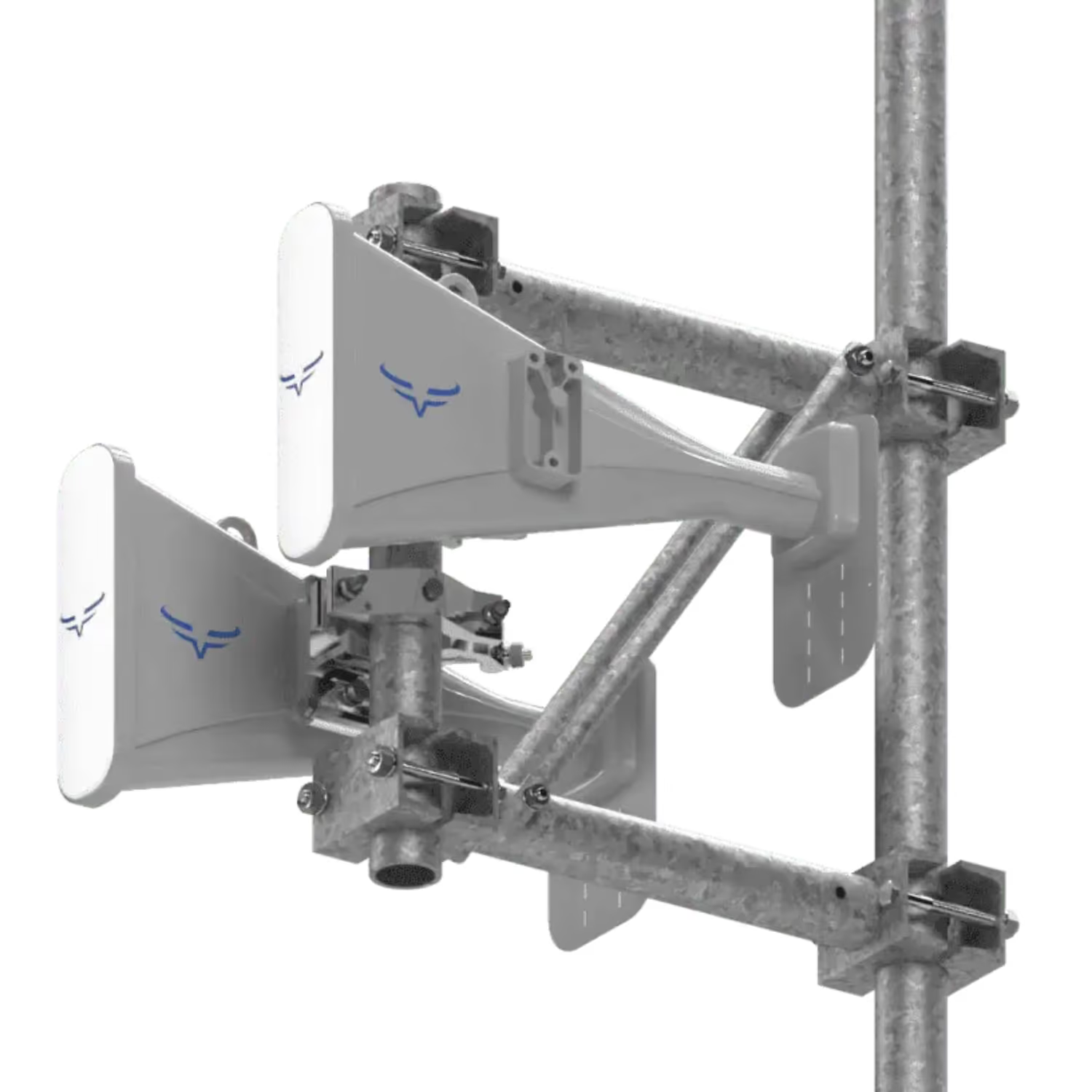
4x4 Double Horn Antenna
Deux antennes cornet asymétriques à large bande de 90° et un support déporté.
$799.00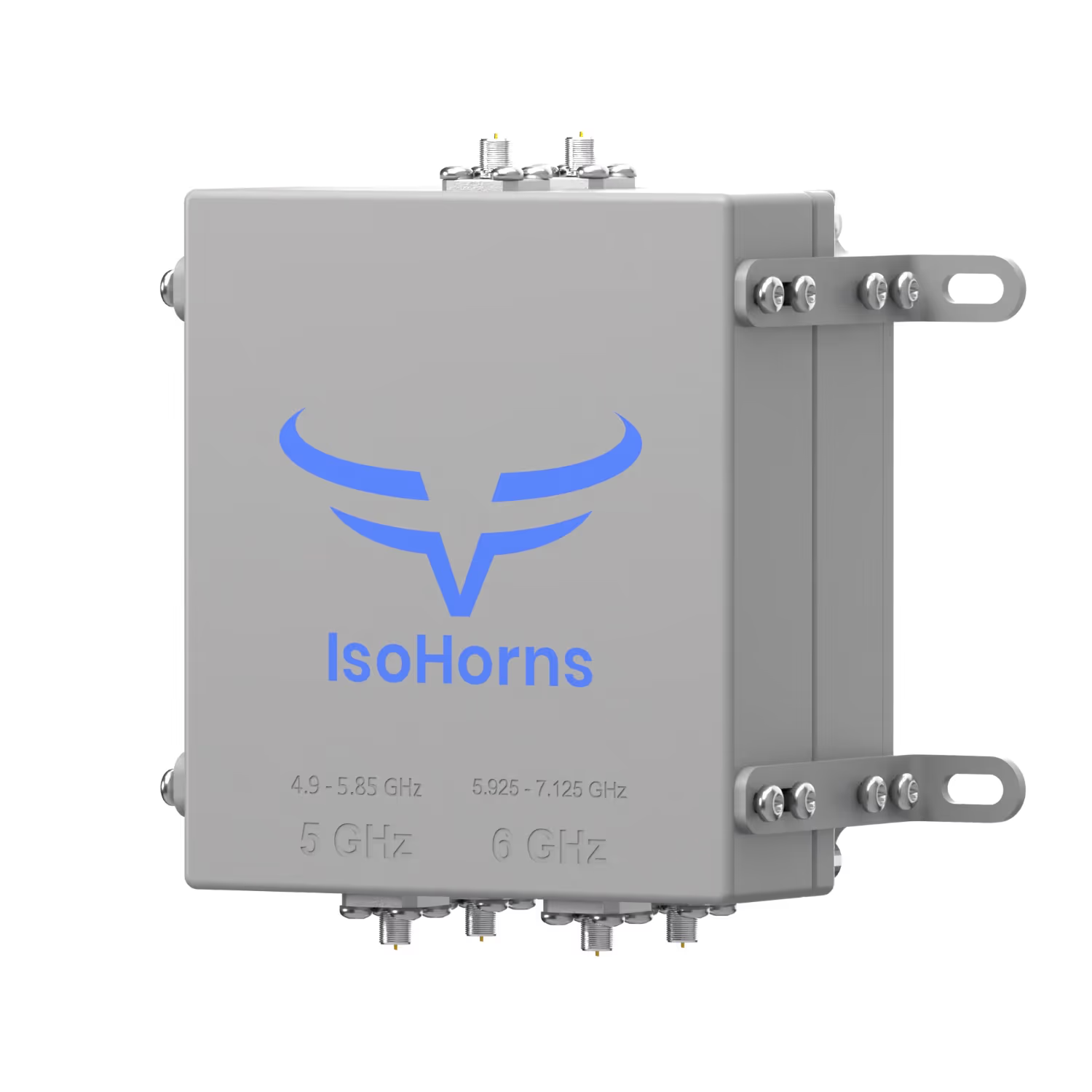
5 and 6 GHz Wi-Fi Diplexer 4x4
Utilisez des radios 5 et 6 GHz sur la même antenne à large bande.
$299.00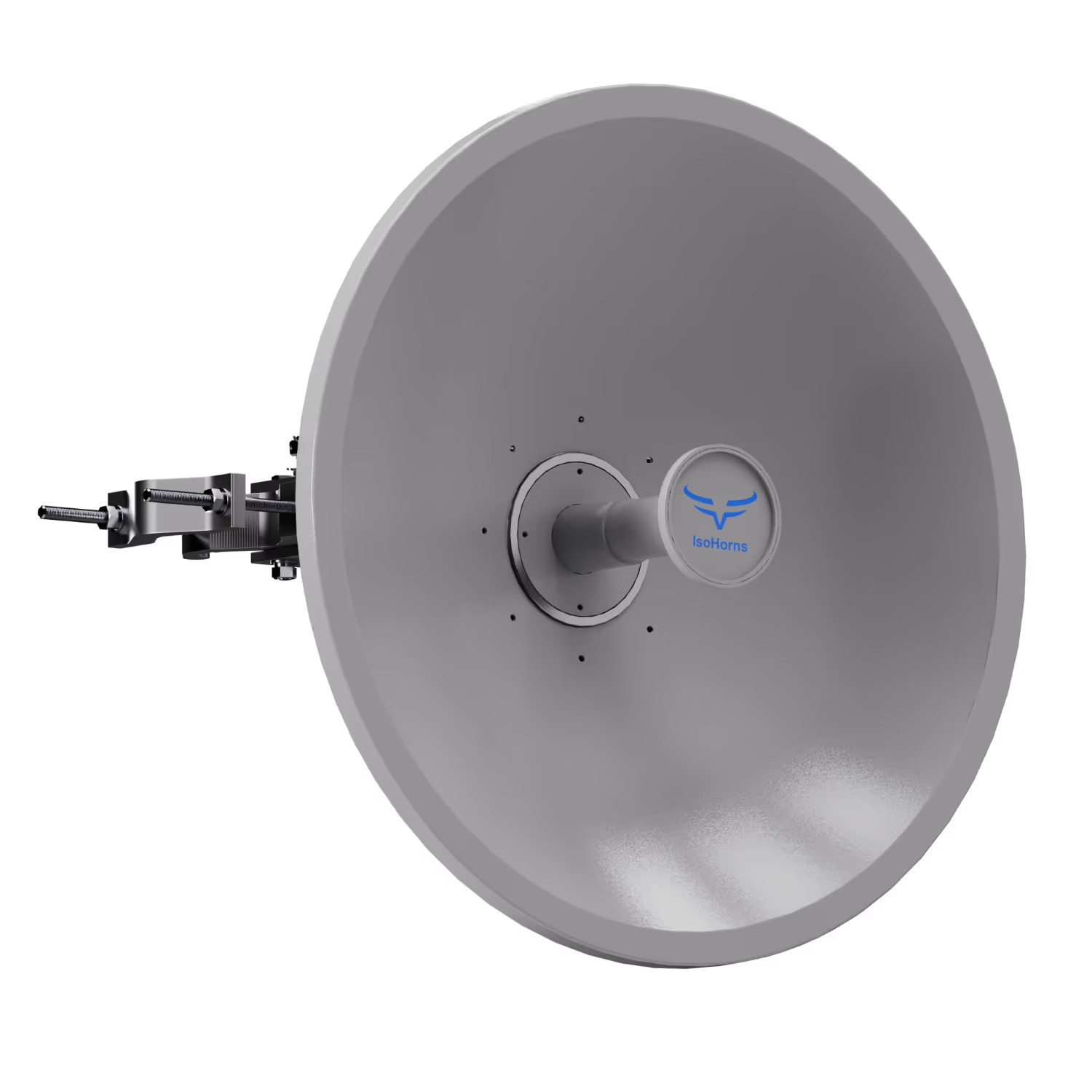
IsoDish 2-Pack
Antenne parabolique CPE large bande 6 GHz haute performance 600 mm (2 pi) paquet de 2 pour relais de pont sans fil Ubiquiti Wave MLO6 PtP, clients PtMP longue distance ePMP Force 4600c, installations d'abonnés WISP et déploiements CPE 5 GHz et 6 GHz économiques.
$399.00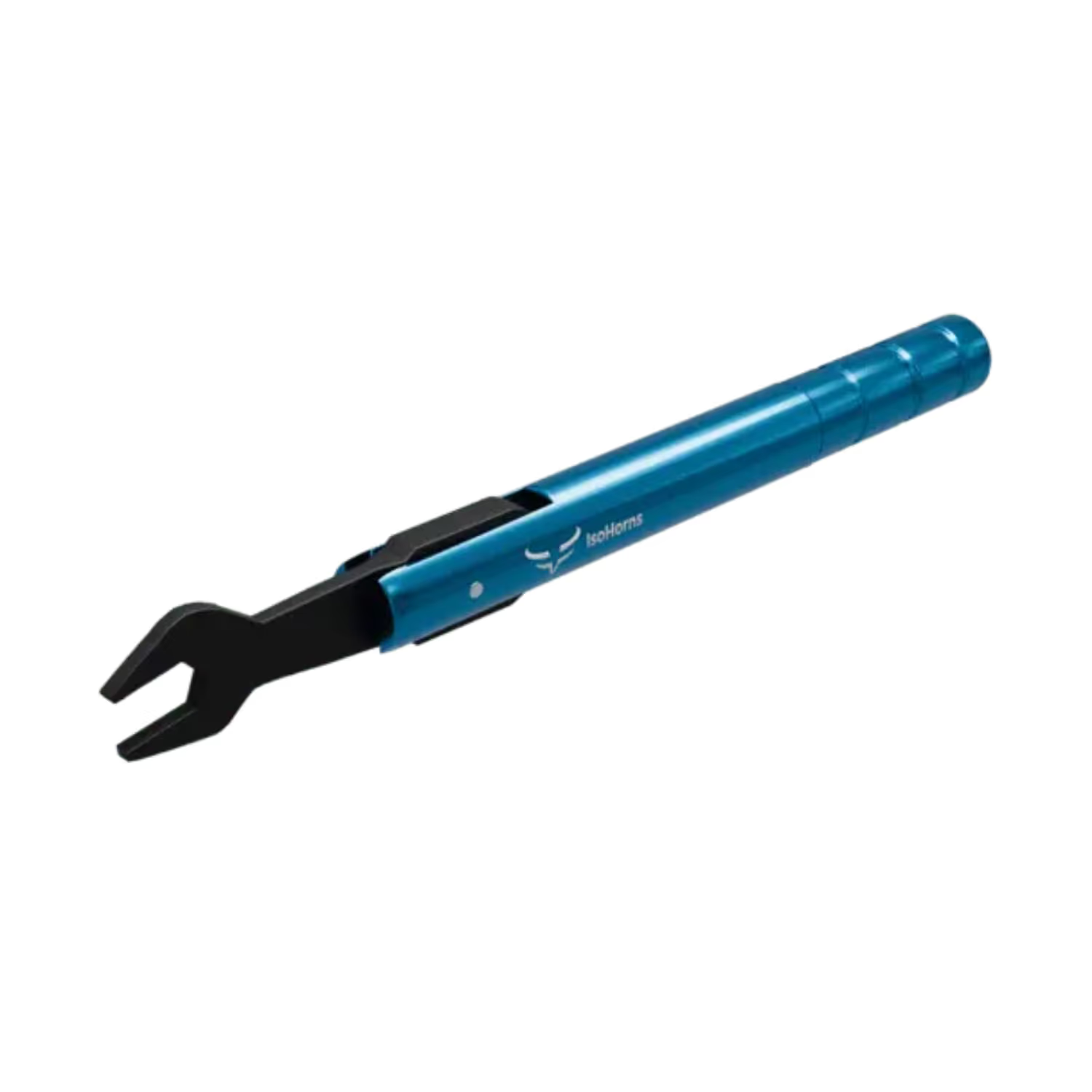
RP-SMA Wrench
Clé dynamométrique RP-SMA pour serrer correctement au couple les connecteurs des radios Wi-Fi extérieures avec connecteurs RP-SMA.
$29.00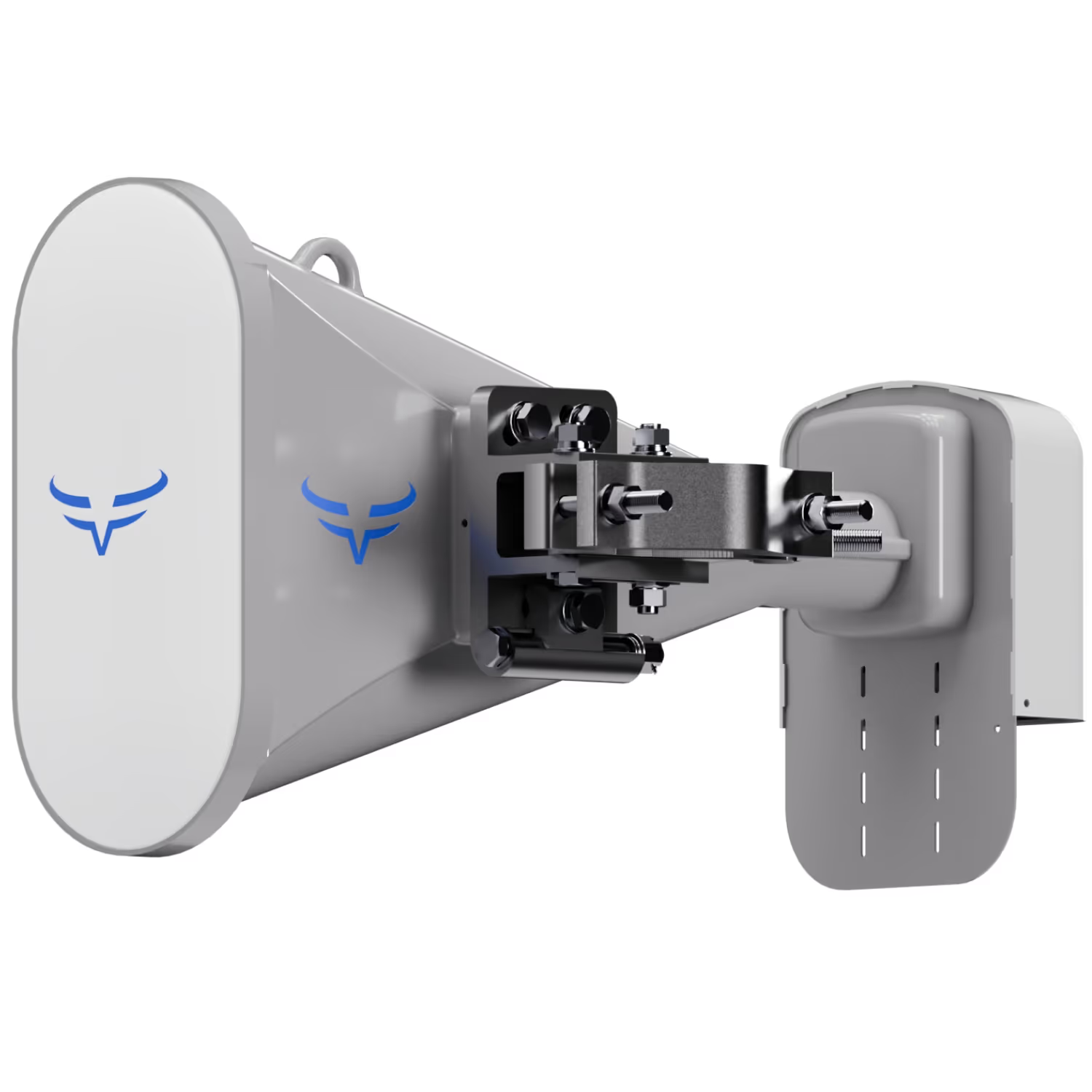
Wideband 6 GHz Asymmetrical 30° Horn Antenna
L'antenne sectorielle à cornet à gain élevé de 30° prend en charge les points d'accès point à multipoint (PtMP) WISP 5 GHz et 6 GHz d'Ubiquiti, Cambium et Mimosa.
$399.00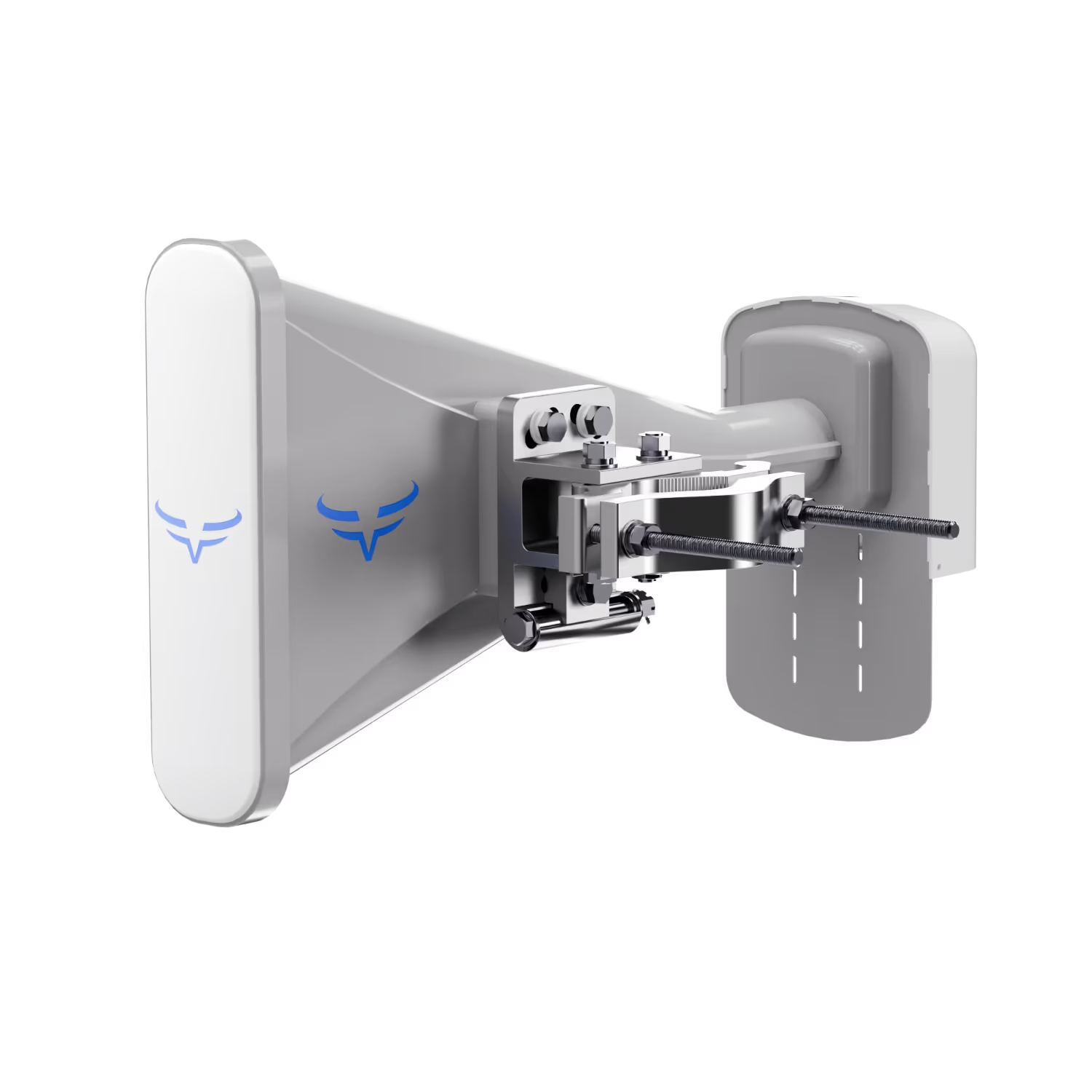
Wideband 6 GHz Asymmetrical 90° Horn Antenna
L'antenne sectorielle à cornet à gain élevé de 90° prend en charge les points d'accès point à multipoint (PtMP) WISP 5 GHz et 6 GHz d'Ubiquiti, Cambium et Mimosa.
$399.00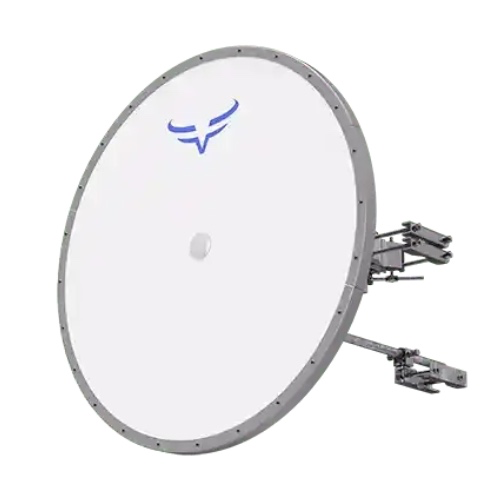
Wideband 6 GHz Backhaul 900 mm (3 ft) Deep Dish Antenna
Antenne de liaison sans fil à parabole profonde de 900 mm à gain élevé de 4,9 à 7,2 GHz pour les ponts sans fil PTP longue portée de 10 à 20 km, Wi-Fi 6E, Wi-Fi 7 MLO, Ubiquiti Wave MLO5/6, Cambium ePMP Force 4600c et déploiements de liaison sans fil WISP.
$799.00