Overview
Details
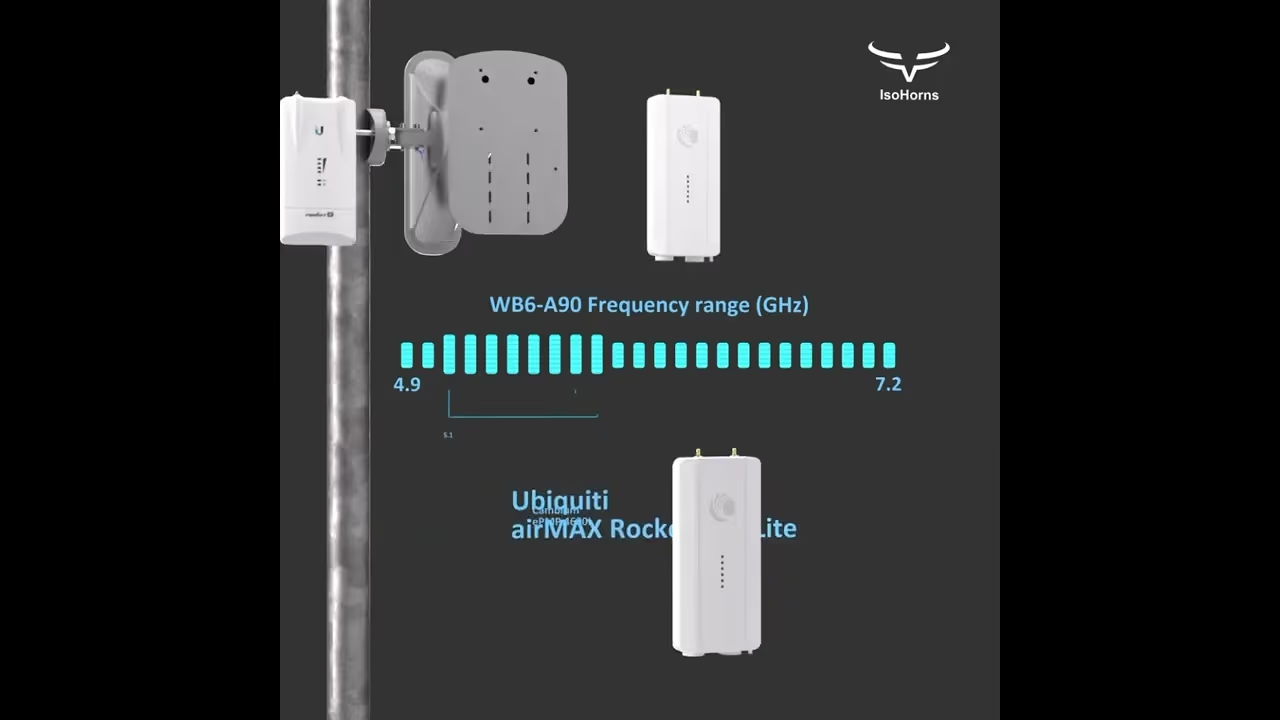
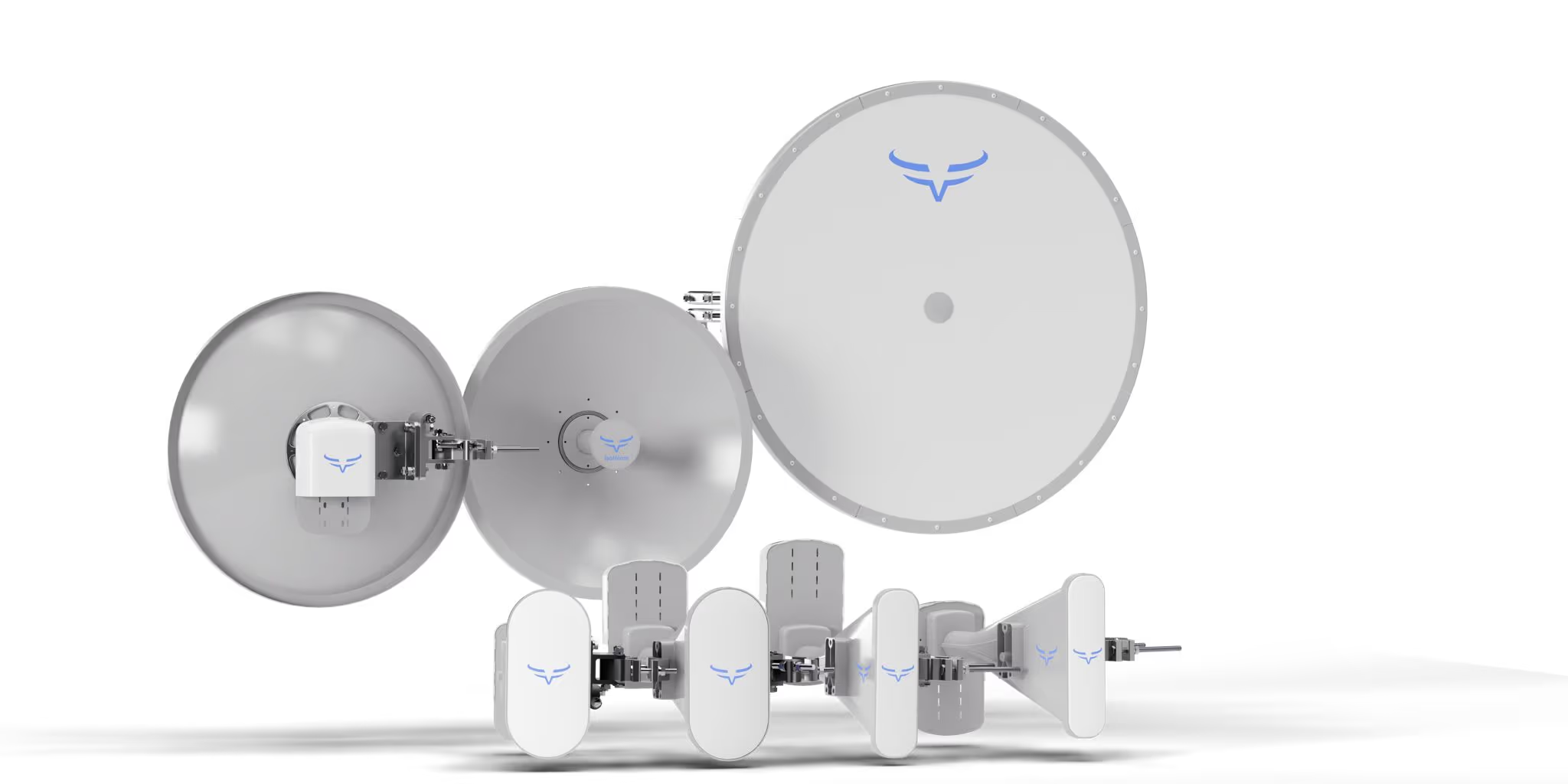
In the networking and telecom industry, PTP (Point-to-Point) refers to a dedicated wireless communication link used by WISPs (Wireless Internet Service Providers) to transmit high-speed internet data between two fixed locations. It plays a major role in modern wireless networks by functioning like an invisible, high-capacity Ethernet cable, especially in rural, remote, or difficult-to-reach areas where installing fiber optic infrastructure is expensive, impractical, or time-consuming. By using highly directional antennas and radios, PTP links allow WISPs to extend network coverage over long distances while maintaining strong and stable performance.
In a typical WISP deployment, PTP links are primarily used for backhaul connections. This means they carry internet traffic from a main network hub or tower to another tower, relay site, or remote location. These links are often deployed across physical obstacles such as rivers, hills, valleys, forests, highways, or industrial zones where running cables would be challenging. To achieve the best possible performance, both antennas must maintain a clear line of sight (LOS), meaning there should be no buildings, trees, or other obstructions blocking the signal path between the two endpoints. Proper alignment is critical because even slight obstructions or poor antenna positioning can reduce link quality and throughput.
Once the PTP connection reaches the remote site, the internet connection is then distributed locally through PTMP (Point-to-Multipoint) access points or wired network infrastructure. This allows homes, businesses, schools, and other subscribers in the surrounding area to connect to the network. PTP technology is valued by WISPs because it can deliver high bandwidth, low latency, and reliable long-distance connectivity while reducing the need for costly physical infrastructure. It is commonly used for tower-to-tower links, business connectivity, surveillance systems, campus networks, and rural broadband expansion projects.
منتجات ذات صلة
تصفية حسب الوسوم
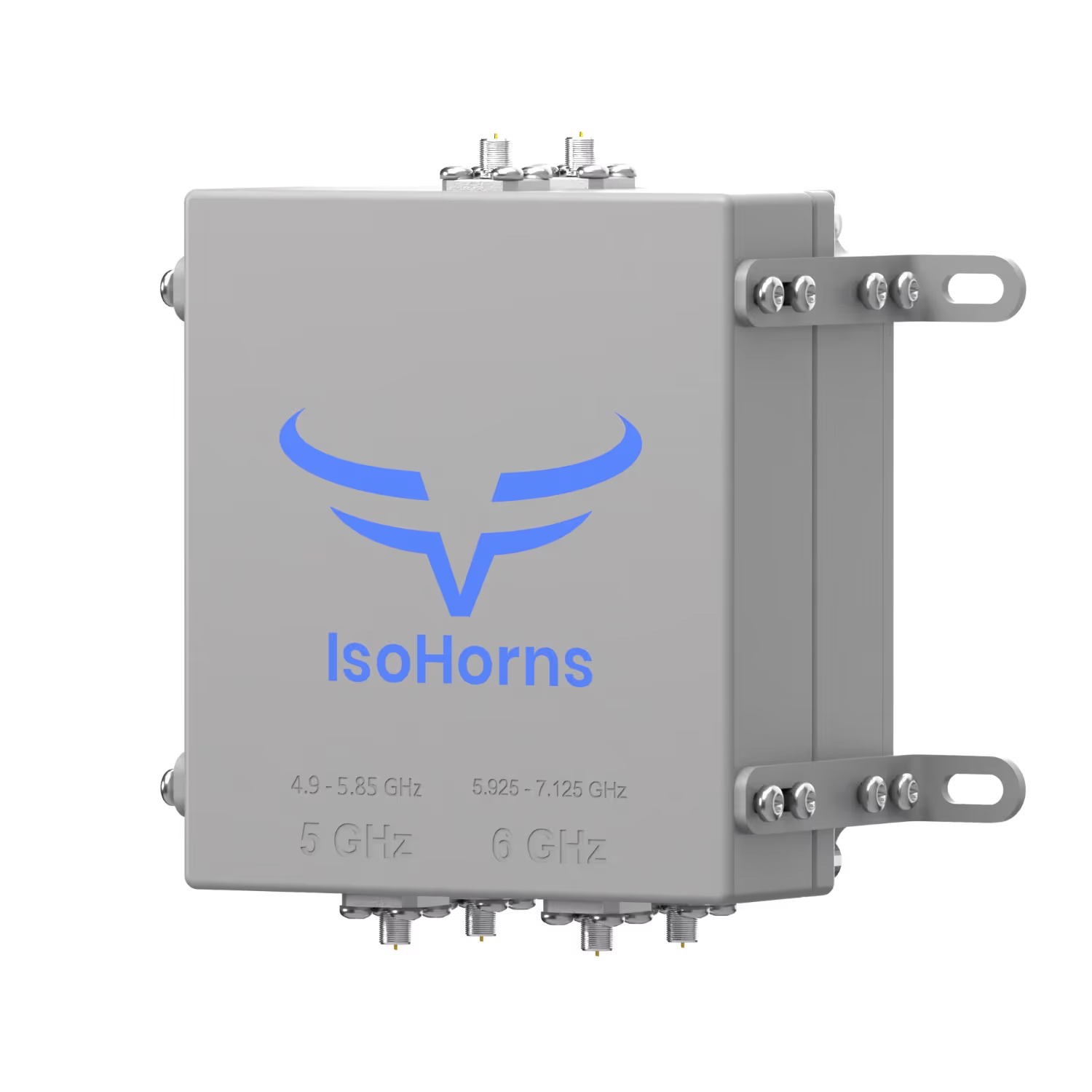
5 and 6 GHz Wi-Fi Diplexer 4x4
استخدم أجهزة الراديو بتردد 5 و 6 جيجاهرتز على نفس الهوائي ذي النطاق العريض.
$299.00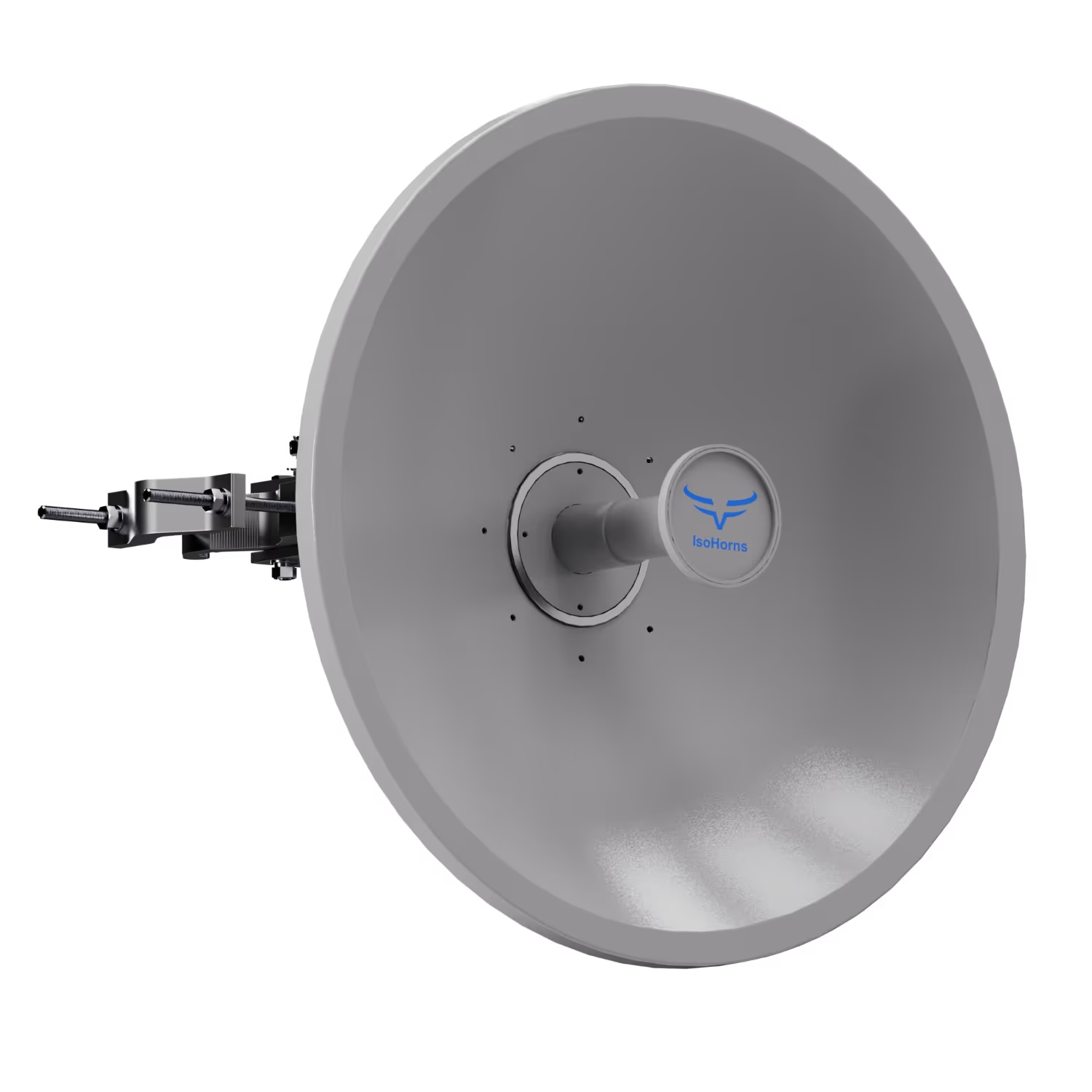
IsoDish 2-Pack
هوائي طبق عالي الأداء واسع النطاق 6 جيجاهرتز 600 مم (2 قدم) CPE عبوة من قطعتين لأجهزة Ubiquiti Wave MLO6 PtP اللاسلكية للجسور، وعملاء ePMP Force 4600c PtMP للمسافات الطويلة، وتركيبات مشتركي WISP، ونشر CPE الفعال من حيث التكلفة بتردد 5 جيجاهرتز و6 جيجاهرتز.
$399.00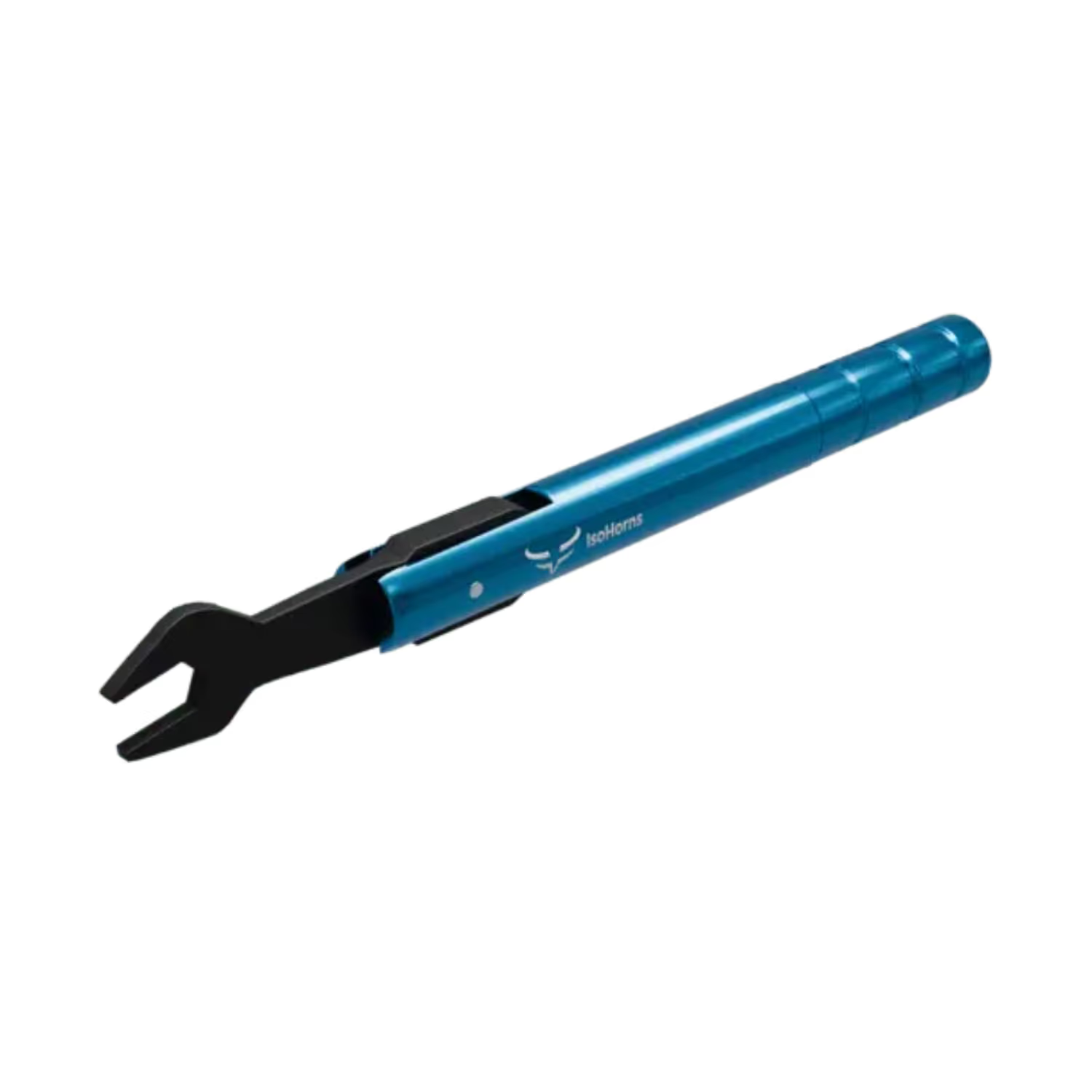
RP-SMA Wrench
مفتاح عزم الدوران RP-SMA لربط موصلات أجهزة الراديو اللاسلكية الخارجية المزودة بموصلات RP-SMA بشكل صحيح.
$29.00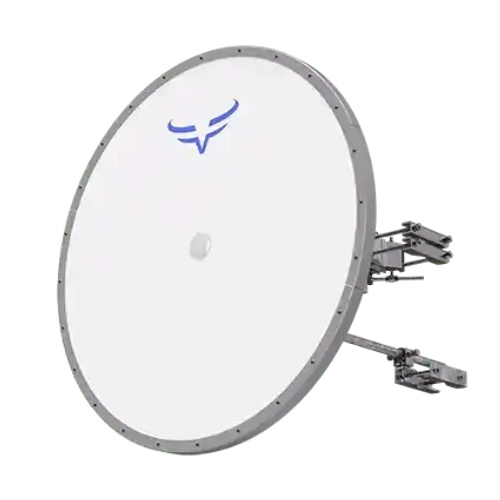
Wideband 6 GHz Backhaul 900 mm (3 ft) Deep Dish Antenna
هوائي خلفي عالي الكسب بتردد 4.9-7.2 جيجاهرتز وعمق 900 مم لجسور لاسلكية PTP طويلة المدى 10-20 كم، وWi-Fi 6E، وWi-Fi 7 MLO، وUbiquiti Wave MLO5/6، وCambium ePMP Force 4600c، ونشر شبكات WISP الخلفية.
$799.00